The phrase “all-inclusive” appears on more wedding venue websites than almost any other. Couples searching for a streamlined planning experience see it and feel a wave of relief. One contract. One team. One less thing to manage in a planning process that already has more moving pieces than most people expected when they got engaged.
But all-inclusive does not mean the same thing at every venue. At some, it covers everything from the rehearsal dinner through the send-off. At others, it means the room rental comes with a few chairs and a list of approved caterers. The word is doing a lot of heavy lifting, and not always honestly.
This guide breaks down what all-inclusive should actually mean, what questions to ask before you sign anything, and how to know whether this model is the right fit for you.
Why Couples Look for All-Inclusive Wedding Venues
The planning process for most weddings involves coordinating somewhere between ten and twenty separate vendors, each with their own contracts, timelines, and communication preferences. You are not just planning a celebration. You are functioning as a project manager for a one-day event with no margin for error and a deeply personal outcome.
For couples who are working full-time jobs, managing other life responsibilities, or simply do not want to spend every weekend of their engagement on vendor calls, an all-inclusive approach offers something genuinely valuable: clarity. You know what you are getting, you know who is responsible for it, and you can focus your energy on the decisions that actually matter rather than the logistics that exist mostly to support those decisions.
The couples who are happiest with all-inclusive venues are typically those who want to enjoy their engagement and arrive at their wedding day feeling relaxed rather than depleted.
What All-Inclusive Should Actually Cover
A single point of coordination. All-inclusive means one team handles the planning process with you, not multiple vendors who each assume someone else is taking care of the communication gaps. You should have a dedicated coordinator or team that knows your wedding inside and out and is present from the planning phase through the day itself.
One contract. If you are signing five separate contracts with five different vendors that the venue calls all-inclusive, that is not really all-inclusive. The core promise of the model is that the complexity lives on the venue’s side of the relationship, not yours.
The ceremony and reception space. This sounds obvious, but it is worth confirming what is actually included in the room: furniture, basic lighting, and setup. At some venues, chairs, tables, and linens are add-ons that appear on a second invoice.
Coordination on the day of the event. Your point of contact from the planning process should be present and managing details on the actual wedding day, not only during the planning phase.
Clear documentation of what is and is not included. A good all-inclusive venue will be transparent about the boundaries of the package. Ask specifically: what do couples typically add on that is not covered in the base agreement?
The Questions That Reveal Whether a Package Is Truly All-Inclusive
Who is my main point of contact, and are they the same person throughout planning and on the wedding day? Venues that assign a coordinator and then hand you off to a different day-of person are not delivering the continuity that makes all-inclusive valuable.
What happens if I want to make a change after we book? A package that is rigid and penalizes customization is not serving the couple’s vision. A genuinely flexible experience works around you, not the other way around.
What does setup and breakdown look like? Who handles it, what time does it start, and what does the venue expect from you versus what they take care of?
Are there vendor restrictions? Some venues that advertise all-inclusive require you to use a specific caterer or photographer whether or not those vendors match your vision. Understand what flexibility you have.
What is explicitly not included in the package? Ask this directly. The answer tells you more than any brochure will.
All-Inclusive vs. A La Carte: Knowing Which One Fits You
The decision between an all-inclusive wedding package and an a la carte approach is not about which is better. It is about which model matches how the two of you operate.
All-inclusive works best for couples who are managing demanding work schedules and genuinely limited bandwidth for planning tasks, who feel energized by the big decisions but drained by logistics, who want to arrive at their wedding feeling like guests rather than project managers, and who trust a venue team with deep experience to handle the details better than they could manage independently.
A la carte works best for couples who love the planning process and have a very specific vision they want to execute with precision, who have opinions about every vendor category and want to choose each one independently, and who have the time and organizational capacity to manage multiple vendor relationships through the engagement.
Neither model signals more care about the wedding. They signal different relationships with the planning process, and both can lead to a celebration that is exactly right.
What All-Inclusive Looks Like at a Mountain Venue
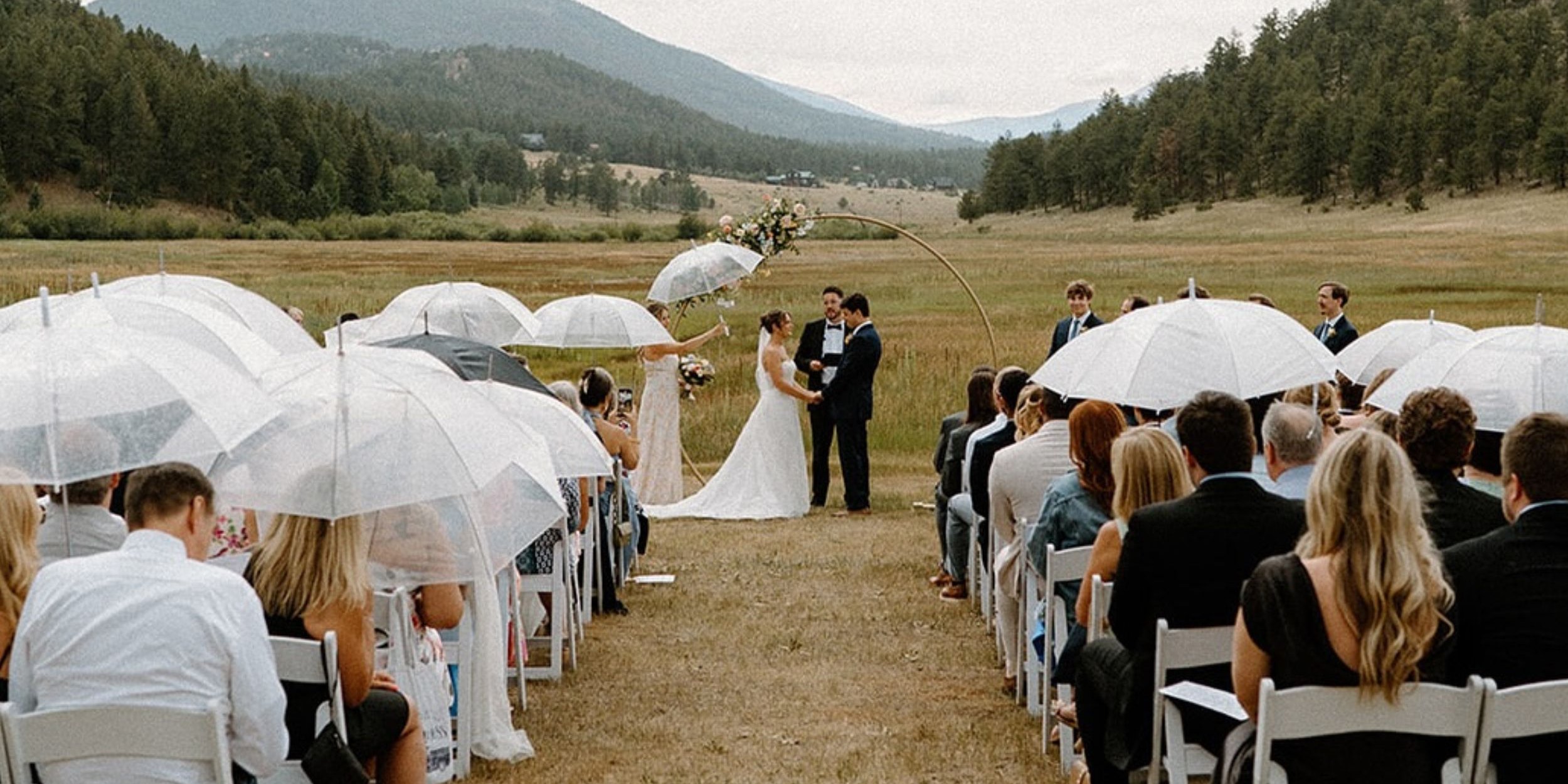
The all-inclusive experience takes on a particular character at a Colorado mountain wedding venue, where the logistics of a semi-remote location add complexity that an experienced on-site team is best equipped to handle.
At a mountain venue, all-inclusive coordination often means a team with relationships with local vendors who know the property and the access routes, on-site management that handles the details specific to an outdoor or semi-outdoor celebration including weather contingencies, planning guidance that accounts for the unique elements of a mountain setting from ceremony timing relative to sunset to how the space flows between indoor and outdoor areas, and a consistent team that manages the full experience from the rehearsal through the morning-after.
The value of all-inclusive coordination at a mountain venue is not just efficiency. It is expertise. The team that has run a hundred weddings on a specific property knows things that no amount of independent research can replicate.
One Contract, One Team, One Seamless Celebration
For couples who choose the right all-inclusive venue, this accurately describes the experience. Planning does not disappear, but it simplifies into something manageable. The engagement becomes a season to enjoy rather than a project to survive.
The key is choosing a venue whose all-inclusive offering is genuinely comprehensive rather than a marketing label on a basic rental package. Ask the questions. Read the contract. And pay attention to how the venue team answers your questions during the tour, because the quality of that conversation is usually a preview of the quality of the planning relationship.
Deer Creek Valley Ranch: All-Inclusive Wedding Venue in Bailey, CO
Deer Creek Valley Ranch is a family-run mountain wedding venue in Bailey, Colorado, 45 minutes from Denver. Our All-Inclusive Experience is built around one contract, one team, and one seamless celebration, with our in-house “I Do Crew” guiding every couple from first tour through send-off.
We also offer an A La Carte Experience for couples who want full creative control over their vendor choices and planning approach. Both experiences take place on a private Colorado mountain ranch with two distinct venue options: The Homestead and The Barn.
Schedule a tour or download our Wedding Pricing Brochure to see what is included.